Professional Electrical Expert Support for Safe and Streamlined Home Electrical Systems
Trusted electrical services play an key role in maintaining the security and performance of home wiring. These specialists provide compliance with safety criteria, reducing the risk of risks such as electrical fires. Homeowners often fail to notice indications that point to the need for expert assistance. Being aware of these signs is imperative. What should one look for when engaging a approved electrician? The ramifications of not addressing this can be significant.
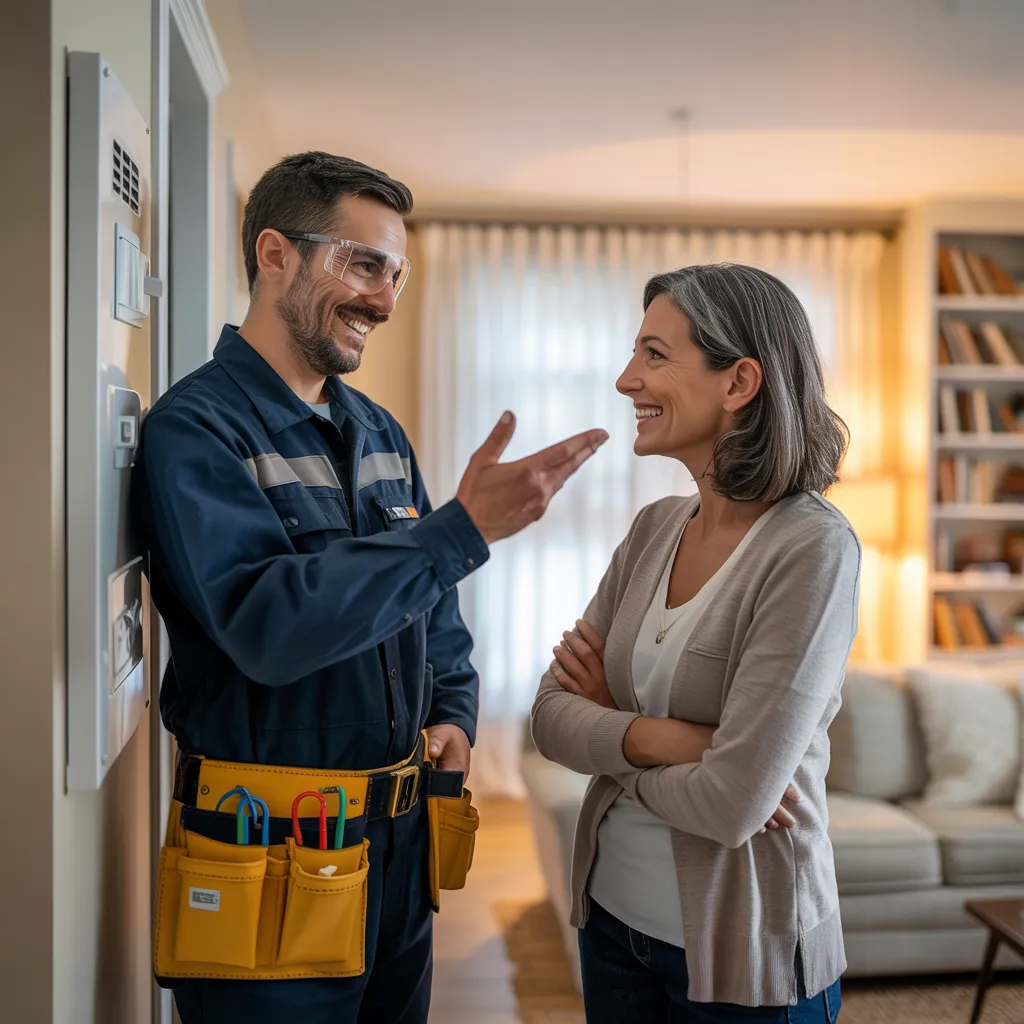
Why Qualified Electrical Expert Assistance Are Indispensable for Your Home
Why are professional electrician services crucial for maintaining a secure and operational home? These services ensure that electrical systems are set up and serviced in compliance with rigorous safety standards. Qualified electricians possess the skill to handle intricate electrical work, avoiding hazards such as fire hazards, electrical injuries, and system failures. Their knowledge of local codes and regulations assures compliance, additionally safeguarding homeowners from potential legal issues.
In addition, licensed electricians can uncover inefficiencies in pre-existing electrical setups, suggesting upgrades that amplify power conservation and cut utility costs. They are outfitted to diagnose issues efficiently, preventing interruptions and reestablishing full function. By opting for professional services, homeowners obtain reassurance knowing their electrical systems are safe, reliable, and optimized for performance. To conclude, teaming up with talented electricians reinforces not only safety but also the complete lifestyle experience throughout the home.
Indicators That You Should Get a Licensed Electrician to Come Over
Knowing when to reach out to a licensed electrician can avoid minor issues from becoming major problems. Homeowners must be alert to various key signs pointing to the need for professional help. Frequent circuit breaker trips often point to overloaded circuits or defective wiring. Flickering lights might indicate hidden electrical problems that need prompt attention. Moreover, any signals of burning odors or scorch marks around outlets are serious alerts that should not be overlooked.
A further warning is a jump in power bills with no clear reason, which may imply operational problems or system defects. If there are non-working outlets that prove unresponsive after attempting fixes, it is necessary to reach out to an expert. Finally, any amateur electrical projects that feels challenging or strange should be managed by a professional electrician with proper credentials to guarantee wellbeing and rule compliance with local regulations. Quick action can shield both the structure and residents.
How to Locate the Suitable Electrician for Your Needs
Finding the right electrician can feel taxing, but several key factors can facilitate the process. First, authenticate qualifications and licenses, confirming the electrician adheres to local standards and requirements. This assurance is vital for safety and peace of mind. Next, assess experience; electricians with a established background in home electrical installation typically resolve problems more efficiently.
Moreover, requesting recommendations from friends or online reviews can provide professional advice valuable insights into the electrician's trustworthiness and standard of workmanship. It's also wise to inquire regarding guarantees on materials and services, as this indicates confidence in their work.
Ultimately, confirm open communication concerning project deadlines and goals. An electrician who pays attention to issues and answers questions is more inclined to produce pleasing results. By emphasizing these critical benchmarks, homeowners can make well-informed selections and find an electrician who satisfies their unique needs effectively.
Determining Fees for Power Work
How should property owners properly assess expenses related to electrical services? First, they need to secure multiple estimates from qualified electricians, ensuring a spectrum of cost alternatives. This technique enables comparison and a better grasp of standard costs. Homeowners should ask about the fee arrangement, which could include hourly rates or fixed project fees, in addition to any additional costs for materials or licensing.
Next, it's paramount to clarify what is encompassed in the estimate, as precise quotes can avert unexpected expenses. Homeowners should also weigh the electrician's experience and credibility, as lower prices may sometimes evidence lesser quality. Additionally, looking into local average costs for particular offerings can provide a yardstick for evaluating estimates. Finally, homeowners should be alert to prices that seem unusually low, as they may signal subpar service or hidden charges. By following these steps, homeowners can establish sound decisions regarding their electrical service needs.
Tips for Preserving Safe and Effective Home Wiring
Upon evaluating costs for electrical services, preserving safe and efficient home wiring becomes a priority for homeowners. Periodic inspections by qualified electricians can pinpoint potential hazards, such as frayed wires or outdated systems. Homeowners should also observe circuit breakers; frequent tripping may indicate underlying issues that need immediate attention.
In addition, steering clear of overloading circuits is vital for protection. Operating numerous gadgets through a single outlet can trigger overheating and fire damage. Homeowners are advised to employ surge devices to protect vulnerable devices from sudden power surges.
Furthermore, ensuring clear pathways to electrical panels and outlets confirms that emergencies can be addressed swiftly. It is also smart to replace any deteriorated or frayed extension cords promptly. Finally, homeowners should educate themselves on basic electrical safety practices, improving overall awareness and creating a safer living environment.
Benefits of Improving Your Home's Electric Infrastructure
Upgrading a home's electrical system offers multiple benefits that can greatly enhance the household space. Improved safety measures help reduce the risk of electrical dangers, while increased energy efficiency can lead to lower utility bills. Additionally, a modernized system can improve property value, making it a smart decision for property owners.
Enhanced Security Standards
As homeowners prioritize safety, upgrading an electrical system becomes essential for cutting down risks linked to outdated wiring and components. Modern electrical systems follow strict safety standards, greatly reducing the possibility of electrical fires, shocks, and malfunctions. By replacing old wiring, circuit breakers, and outlets, homeowners ensure compliance with up-to-date regulations, minimizing potential hazards. New installations often feature ground fault circuit interrupters (GFCIs) and arc fault circuit interrupters (AFCIs), which provide extra layers of protection. Moreover, an upgraded system can better support modern appliances and technology, reducing the risk of overloads. Ultimately, putting resources in improved safety standards not only protects residents but also contributes to long-term peace of mind about home safety and reliability.
Increased Power Efficiency
Revamping a domestic electrical system can result in significant power-saving improvements. Refurbishing outdated wiring and installing energy-efficient fixtures lowers power consumption, cutting utility bills. Modern systems typically support smart technology, permitting homeowners to monitor and manage energy use more effectively. Enhanced insulation of electrical components minimizes energy loss, ensuring that less power is wasted. In addition, replacing old appliances with Energy Star-rated models further enhances efficiency, since these devices are designed to consume less electricity. Overall, a well-maintained electrical system not only boosts performance but also fosters sustainable living, making it a valuable investment for environmentally conscious homeowners. Energy efficiency upgrades eventually create a more comfortable and cost-efficient living environment.
Enhanced Property Worth
A advanced electrical system substantially increases a home's property value, making it an appealing feature for potential buyers. Upgrading wiring, outlets, and fixtures not only adheres to modern safety standards but also facilitates advanced technology, such as smart home systems. Homes with refurbished electrical systems can fetch higher prices and sell faster, as buyers emphasize safety and efficiency. Moreover, a properly maintained electrical system lowers the risk of expensive repairs, which is welcomed to prospective homeowners. This enhancement can also lower insurance premiums, further adding to the property's appeal. Ultimately, investing in an modernized electrical system is a strategic choice that substantially enhances a home's marketability and overall value.
General Electrical Problems and How Electrical Specialists Correct Them
Common electrical issues can interfere with daily life and pose safety risks. Regular breaker malfunctions, lights that flicker or dim, and possible fire dangers from electrical systems are among the most prevalent problems homeowners encounter. Electricians employ various techniques to identify and fix these issues, ensuring a safe and efficient electrical system.
Regular Circuit Breaker Trips
When homeowners experience frequent circuit breaker trips, it often signals underlying electrical problems that require professional attention. These trips can stem from various causes, including overloaded circuits, short circuits, or defective wiring. An overloaded circuit happens when too many devices draw power at the same time, exceeding the circuit's limit. Short circuits happen when a live wire touches a neutral wire, generating a surge that the breaker identifies. Additionally, outdated or damaged wiring can lead to instability, resulting in repeated trips. Electricians typically assess the problem by inspecting the circuit layout and evaluating the power requirements. They may suggest reallocating devices, repairing defective wiring, or upgrading circuit breakers to ensure safety and performance in the home's electrical system.
Blinking or Low Lights
Flickering or reduced lights often point to electrical issues which may require immediate attention. Common reasons feature loose connections, faulty light bulbs, and a saturated electrical system. Electricians usually start by inspecting all lamps plus lights in order to ensure correct installation and operation. If the bulbs are to not be the problem, they shall search to find slack cables or connections in the circuit, that can contribute to inconsistent electrical delivery. Also, electricians review any power usage in order to establish whether a excessive number of devices are drawing power, potentially creating dimming. Fixing these issues far more than just returns consistent lighting but also strengthens comprehensive electrical protection in your residence, preventing subsequent issues down the line. Timely skilled assistance is essential toward successful correction.
Electrical Blaze Threats
Many homes face serious risks from electrical fire hazards, often caused by issues including outdated wiring, overburdened circuits, and improper use of extension cords. These problems can lead to overheating and possible ignition sources, so it is crucial for homeowners to address them quickly. Qualified electricians consistently examine wiring systems and replace outdated parts to ensure they meet safety standards. They further assess circuit loads and rebalance power to prevent overloads. They provide advice on the proper use of extension cords, making sure these are not used as permanent solutions. Electricians play a crucial role in protecting homes from electrical fires by identifying and fixing these hazards, improving safety and efficiency in residential wiring.
Commonly Asked Questions
Which Professional Skills Must I Look for in an Electrical Specialist?
When looking for an electrician, one should emphasize relevant certifications, proper licensing, adequate insurance, and experience. Additionally, customer reviews and compliance with safety regulations can indicate competence and dependability in their work.
How Do I Verify an Electrician's License and Coverage?
To verify an electrician's permits and coverage, one should communicate with the local licensing authority and request documentation. Furthermore, perusing online databases or requesting copies directly from the electrician can guarantee further validation of their qualifications.
Do Critical Electrician Services Operate Around the Clock?
Emergency electrical offerings are often accessible 24/7, providing instant support for pressing electrical issues. Homeowners should confirm particular access hours with local providers, as hours may differ between companies and regions. Quick response is crucial.
What Protection are Commonly Available for Electrical Work?
Typical warranties on electrical work range from one to five years, depending on the service provider and the particular project. These guarantees typically include workmanship and may include parts, ensuring client contentment and protection against defects.
What Can I Do to Prepare for an Electrical Professional's Visit?
In advance of an electrical technician's visit, you should clear the work area, make certain simple entry to electrical receptacles and breaker panels, compile any essential documents, and go over particular worries or work specifications beforehand for efficient communication.